International Dark Sky Week is a worldwide event that draws attention to light pollution, promotes simple solutions to mitigate the issue, and celebrates the irreplaceable beauty of a natural night sky.
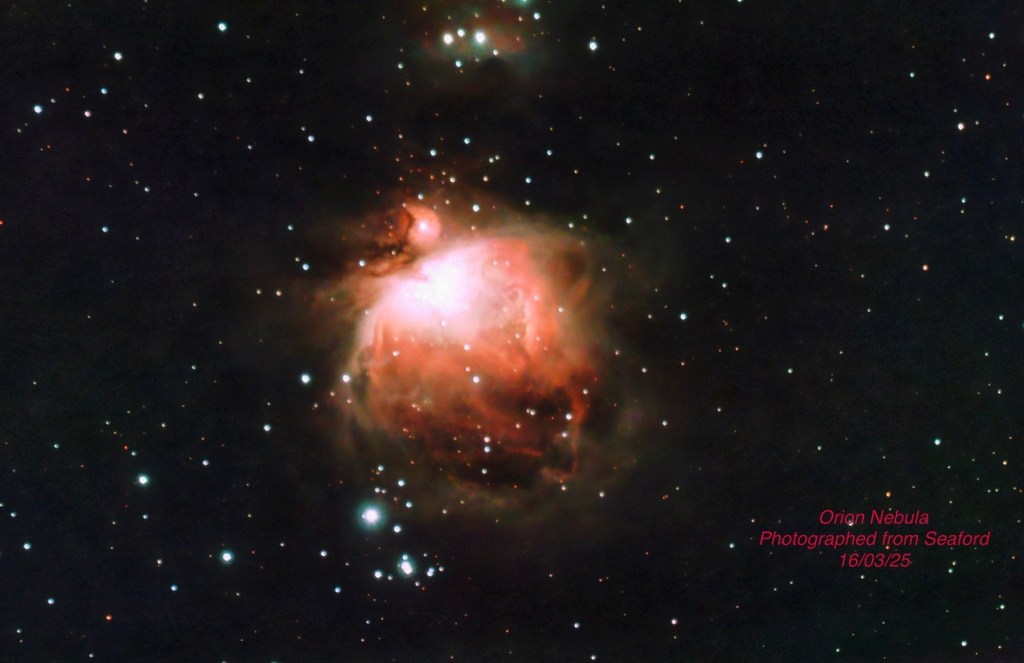
Dark Sky Reserves are designated by darksky.org. They are areas that offer exceptional starry nights and are specifically protected for scientific, natural, educational, cultural, heritage and/or public enjoyment.

The South Downs National Park (SDNP) is an International Dark Skies Reserve. As Seaford Head and Bishopstone are within the SDNP they too are part of the International Dark Skies Reserve.

Light pollution disrupts wildlife, impacts human health, contributes to climate change and blocks our view of the universe which is why it is so important we ensure the dark skies are protected. The SDNP has stated it ‘will use its role as a planning authority to protect the dark skies above the National Park as well as the landscape on the ground.’.
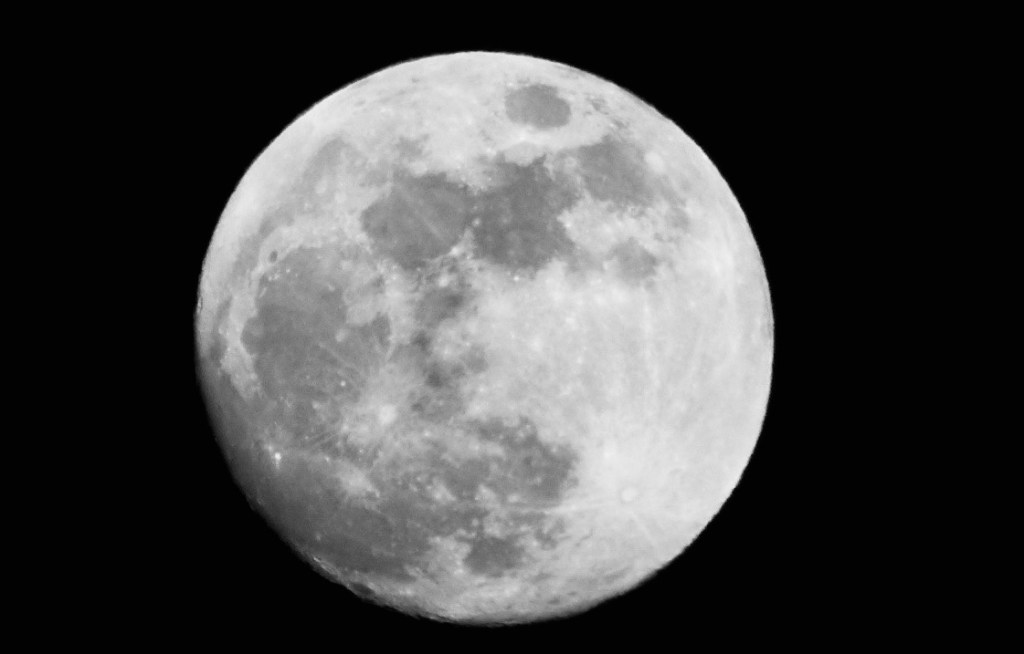
You don’t need any fancy equipment to appreciate the dark sky and start star/moon gazing, just a blanket, a dark sky and warm clothing. Lay back, relax and allow your eyes to adjust. Soon you will be able to make out more and more stars.
If you have a pair of binoculars you could take these with you when you go stargazing as you may be able to make out more details of the stars or see the craters of the moon.
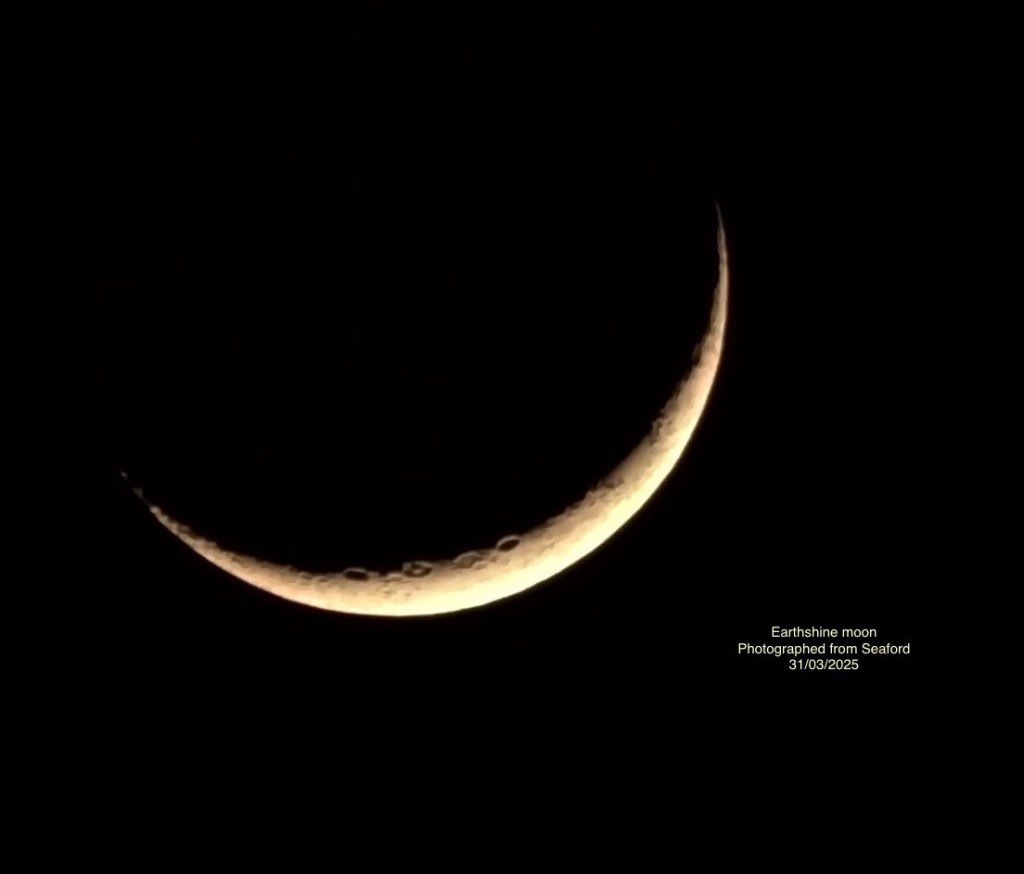
There are many phone apps you can use to help you identify the stars, constellations and planets above you such as Stellerium.
You may be interested that you can observe the Lyrid meteor shower which is due to peak on 22/23 April. The best time to see the shooting stars will be during dawn on the 22nd April or all night on the 22/23rd. However the meteor shower will be active between 16th and 25th April so even if you can’t go out on the 22nd it is still worth looking up at the night sky.
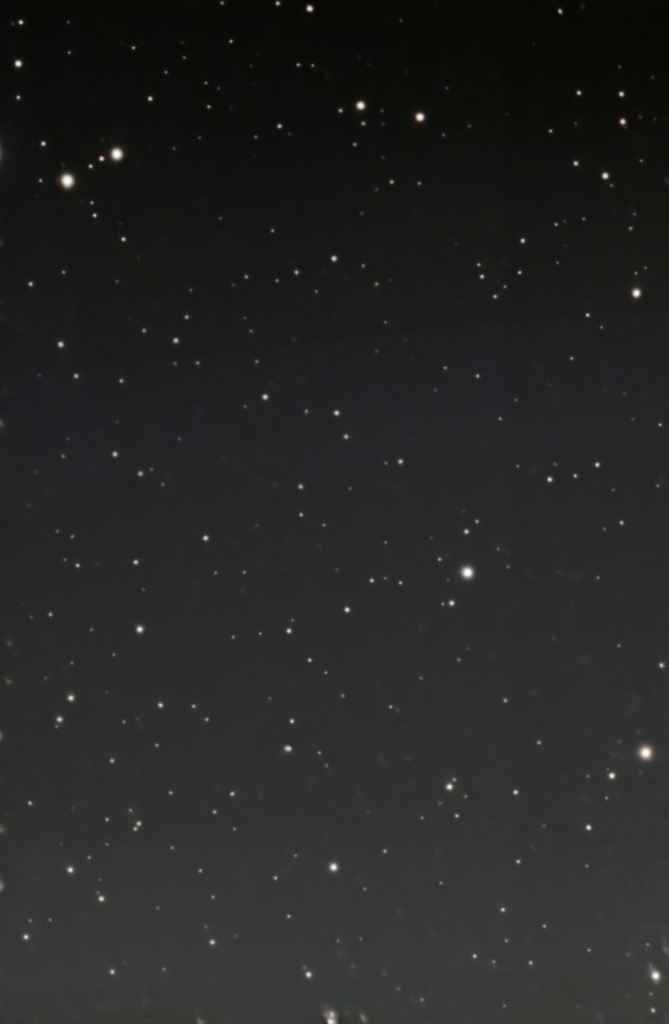
It is well worth visiting the Herstmonceux Observatory Science Centre. They have historic telescopes once housed at the Royal Observatory Greenwich. The transfer of these telescopes to Herstmonceux took place between 1947 and 1958. On their open evenings you are able to use the telescopes to get a better look at the planets. In addition to the stargazing evenings they hold courses on astronomy, a science festival and an astronomy festival.
There are also several local astronomy groups that hold special evenings when you can look through their telescopes to view the stars, planets and beyond.
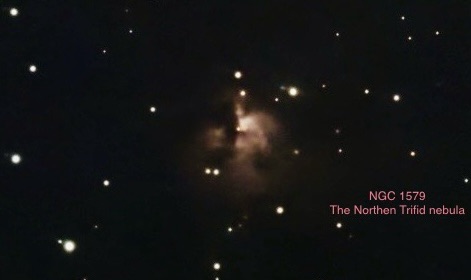
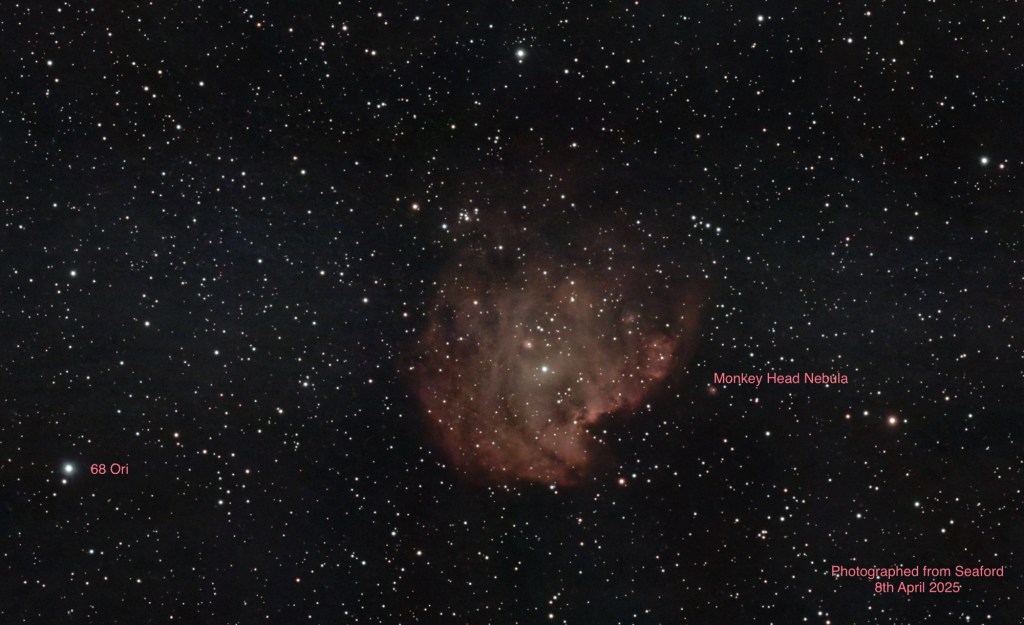
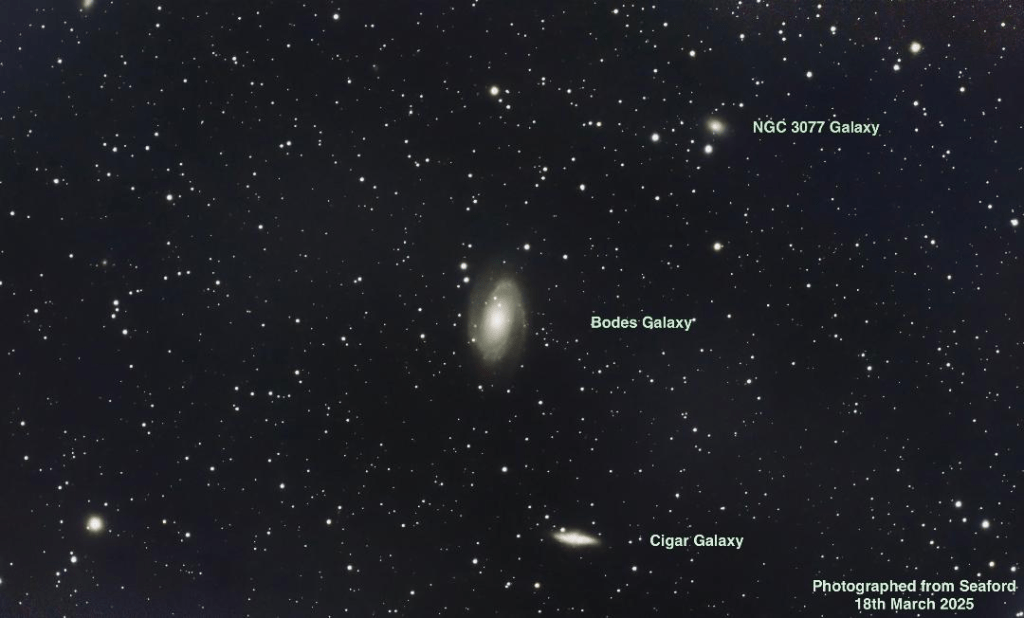
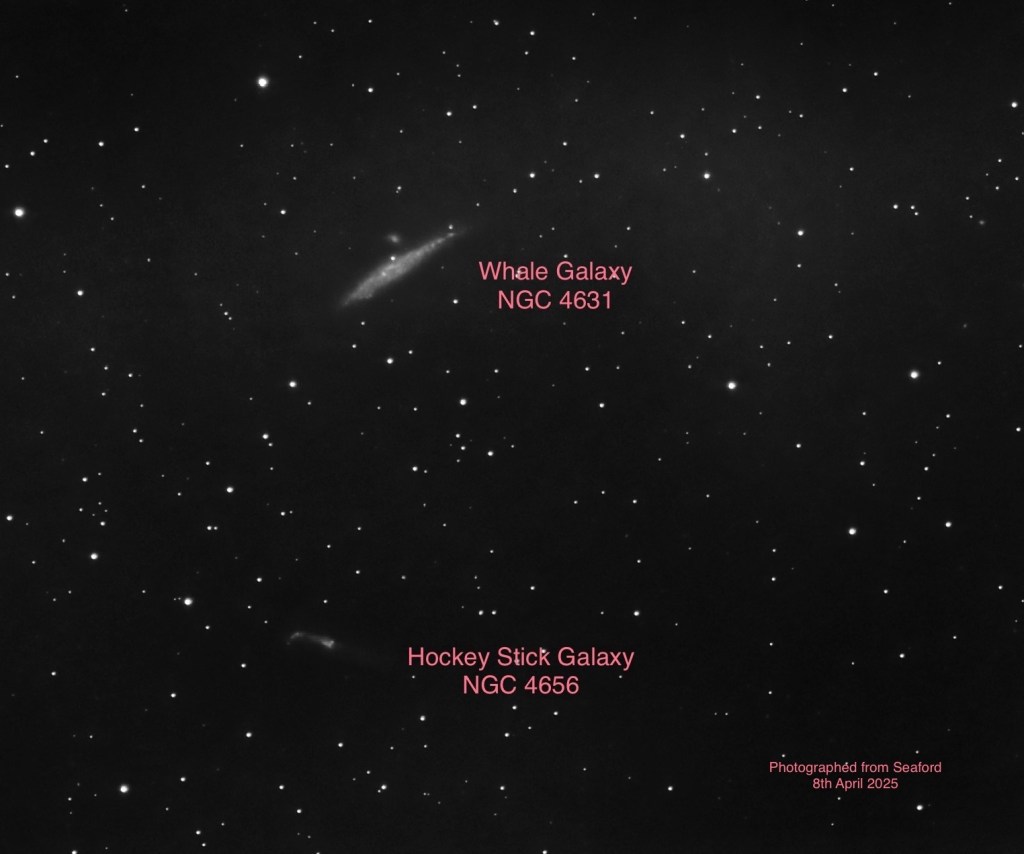
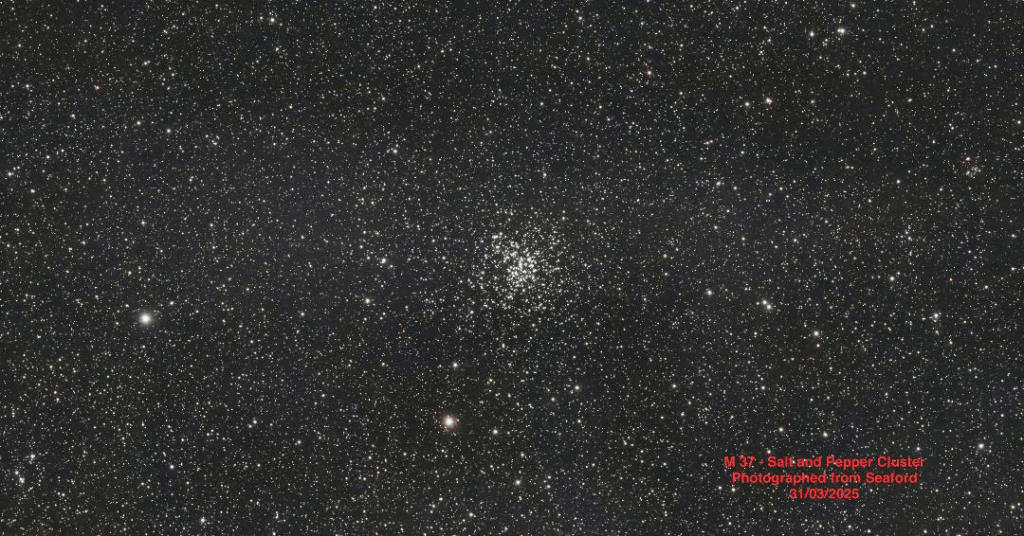
Below are more photographs of deep sky objects taken from Seaford.
A light year is the distance light travels in one year. Light zips through intersteller space at 186,000 miles per second and 5.88 trillion miles per year (information copied from science.nasa.gov).
‘Moon bathing’ and ‘Star bathing’ are becoming popular ways of relaxing. They are said to promote mindfulness, calm and help you to be present in the moment. Moon and star bathing are similar to forest bathing. By allowing yourself to become immersed in the night sky, clearing your mind of worries and gazing at the stars or moon you can sink into a deep sense of relaxation.
All of the above photos were taken from Seaford and are courtesy of Jackie Frost

 Celebrating Seaford