The Bat Conservation Trust have kindly allowed me to share some information from their webpage.
Have you ventured out at dusk and spotted a small dark creature flying by at speed? Yes, then you may just have been lucky enough to have seen a bat.
Bats account for almost a third of all mammal species in the UK. There are 18 different species of bat in the UK, all of which have been spotted in Sussex at one time or another. It is fair to say some of these species have only been spotted a couple of times though!
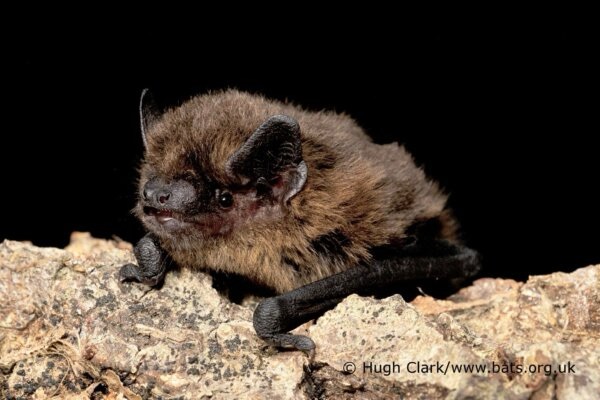
The Common Pipistrelle, pictured above, is fairly common in Seaford and the one you are most likely to see. Its flight pattern is fast and jerky as it dashes around chasing small insects. One common Pipistrelle can eat over 3000 tiny insects each night. The wingspan of a Pipistrelle is 200mm-235mm.
There is a much larger bat which has been spotted flying around the end of Chyngton Way, near the road leading up to South Hill Barn, Seaford. This is the Noctule bat, one of the largest species of bat in the UK.
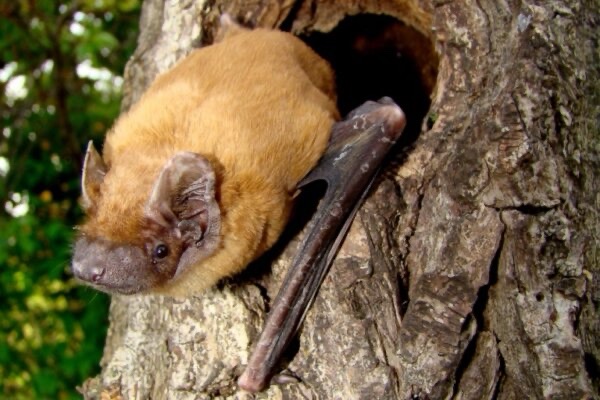
Noctule Bay – photo courtesy of the Bat Conservation Trust.
This species of bat has a wingspan of 320mm – 400mm. Noctules have a characteristic powerful, direct flight on narrow pointed wings. They fly in the open, often well above tree-top level, with repeated steep dives when chasing insects. Noctule bats can fly at 31 miles an hour.
Why are bats important?
In the UK, some bats are ‘indicator species’, because changes to these bat populations can indicate changes in aspects of biodiversity. Bats are top predators of common nocturnal insects and are sensitive to changes in land use practices.
In the last century the bat population has declined. Bats are still under threat from building and development work that affects roosts, loss of habitat, the severing of ‘commuting routes’ by roads and threats in the home including cat attacks, flypaper and some chemical treatments of building materials.
How to help bats
As we lose more of our green spaces to development our gardens become ever more important to bats as they provide an important source of food, water and shelter.
First of all bats will need somewhere to live that’s safe (e.g. bat boxes/access tiles to roofs, or natural roosts like trees). Advice on bat boxes can be found here.
They will also need a good supply of insects. The effort you put in to enticing bats into your garden will be repaid, they are an extremely good natural pest controller. Not only will they eat the bugs invading your flowers and chomping on your vegetables, they will also eat the mosquitos. Below is a list provided by the Bat Conservation Trust on how to make your garden a bat friendly zone.
- Extend the flowering season to make sure there is food from early spring (when bats come out of hibernation) to late Autumn (when bats are building up their fat reserves in preparation for going into hibernation).
- Plant nectar-rich plants, trees and shrubs.
- Plant pale, night-scented flowers which will attract insects at night.
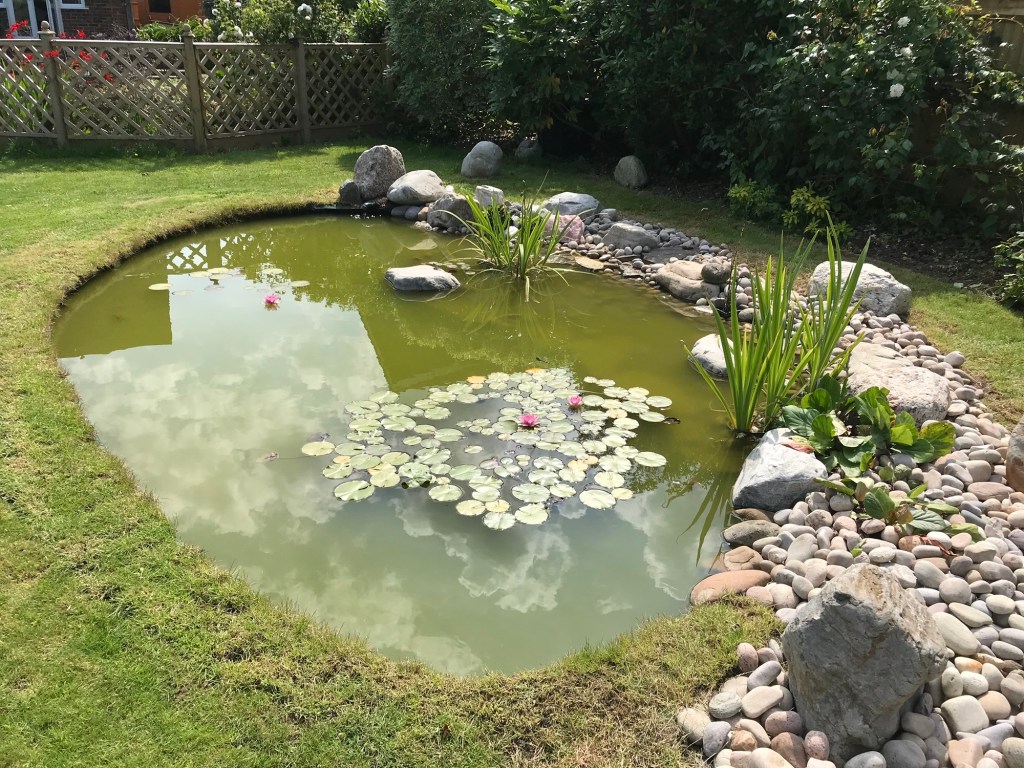
- Build a pond or another water feature.
- Create a compost heap to attract insects.
- Leave hollow stems for overwintering insects.
- Build a bug hotel.
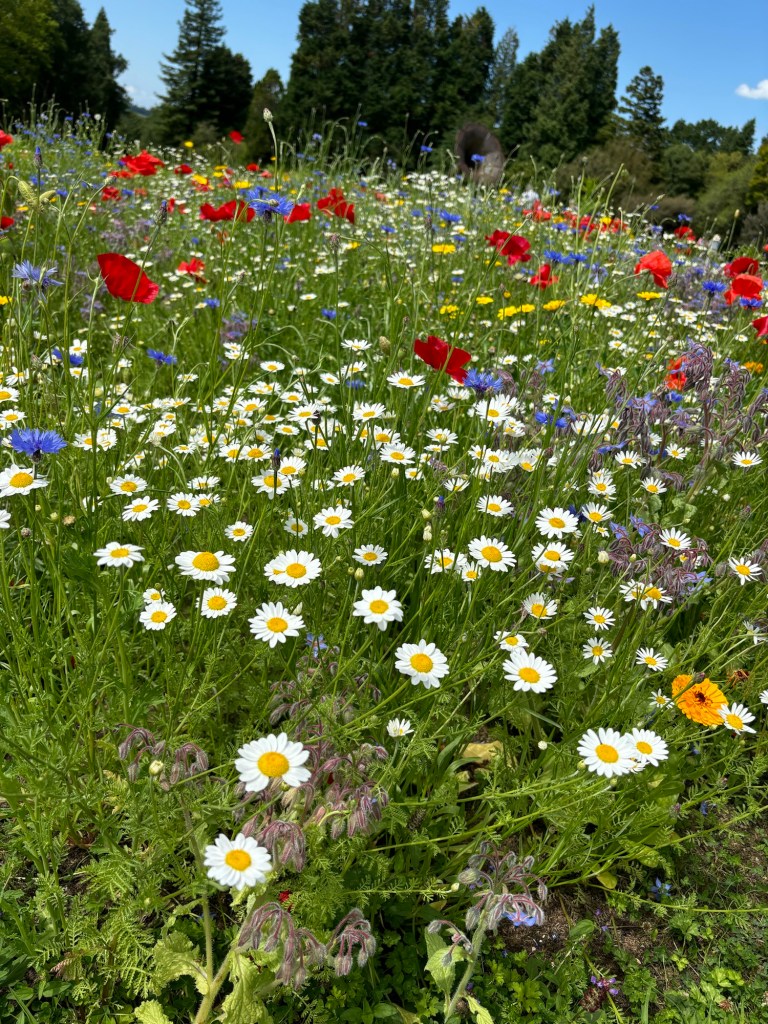
- Leave a patch of grass uncut and turn it into a wildflower meadow.
- Provide a variety of plant heights and flower shapes to create structure.
- Let your garden go a little wild.
- Avoid bringing chemicals in.
For further information on creating a bat friendly garden you can download the Bat Conservation Trust’s ‘Encouraging Bats’ leaflet here.
Interesting bat facts
- Bats are more closely linked to humans than they are to mice.
- Bats are not blind. In the UK, bat species don’t have very good night-vision (a bit like humans). As they fly they make ‘shouting sounds’. The returning echoes (echolocation) give the bats information about anything that is ahead of them, including the size and shape of an insect and which way it is going.
- Bats use woodland edges, hedgerows, rivers and other linear features like tree-lined footpaths as corridors to commute from one area of countryside to another. These features act as navigational landmarks and can also provide some protection from predators. As bats fly through the night, their echolocation calls bounce off these landscape features, helping the bats find their way to and from their roosts and foraging habitats.
- Bats are the only true flying mammals in the world. Their wings are actually hands that have adapted for flight, which means they are very flexible and able to move independently. This fantastic manoeuvrability arguably makes bats better at flying than birds
- Bats usually only have one baby a year and can live for up to 30 years
Would you like to know more about bats?
You can become a member of the Bat Conservation Trust. Your membership will:-
- Help save our endangered bat species and their habitats
- Join your voice to the Bat Conservation Trust in speaking up for bats
- Give you a Welcome Pack, which includes a range of leaflets, postcards, a ‘Bats of Britain and Ireland’ poster and a membership exclusive pin badge
- Give you a subscription to Bat News magazine (published 3 times a year)
- Get to vote at the Bat Conservation Trust’s Annual General Meeting
- Get discounts on bat training courses
Further information on joining the Bat Conservation Trust can be found here.

 Celebrating Seaford